

















How to Create a Culture of Continuous Learning in Schools That Drives Lasting Impact
In today’s evolving educational landscape, school and district leaders are under increasing pressure to improve student outcomes, support teachers, and build sustainable systems of growth. One of the most effective ways to achieve this is by creating a culture of continuous learning in schools.
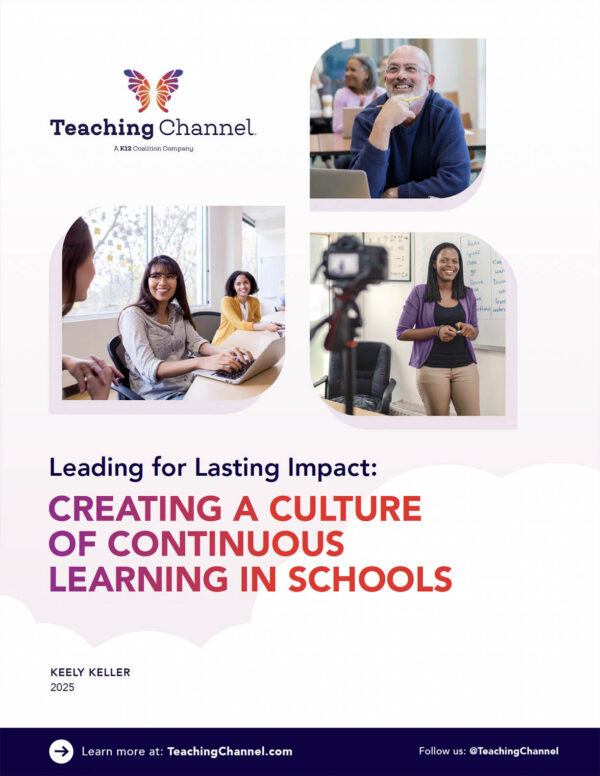
The ebook outlines a clear framework for leaders who want to move beyond one-time professional development and instead build systems in which learning is embedded in daily practice.
What Is a Culture of Continuous Learning?
A continuous learning culture in education is one where growth is not an event—it is a habit. In these environments:
- Professional learning is ongoing and embedded in daily work
- Teachers collaborate, reflect, and refine their practice
- Leaders model growth and guide instructional improvement
- Data and feedback drive decision-making
As the ebook explains, schools that prioritize continuous learning create environments where instruction improves, collaboration deepens, and student outcomes accelerate.
Why Continuous Learning Matters for School Districts
Districts that invest in professional learning and instructional leadership see measurable benefits across multiple areas:
Improved Instructional Quality
When teachers engage in reflection, coaching, and collaboration, instructional practices become more effective and aligned to student needs.
Increased Teacher Retention
Teachers are more likely to stay in environments where they feel supported, valued, and continuously developing.
Stronger Student Outcomes
Research highlighted in the ebook shows that factors such as collective teacher efficacy and teacher clarity have a significant impact on student achievement.
The 5 Key Elements of a Continuous Learning Culture
The ebook identifies five essential focus areas that drive lasting impact:
1. Shared Vision and Values
A strong school vision and core values create alignment across the entire organization.
When educators understand:
- What success looks like
- How their work contributes
- Why it matters
They move from isolated efforts to collective impact.
2. Trust, Belonging, and Growth Mindset
A culture of learning cannot exist without trust.
Schools that foster:
- Psychological safety
- Open communication
- Growth mindset
Create environments where teachers and students feel safe taking risks and improving.
3. Instructional Leadership
Instructional leadership is one of the strongest drivers of student success.
Leaders who:
- Spend time in classrooms
- Provide actionable feedback
- Model effective practices
Turn everyday moments into powerful professional learning opportunities.
4. A Focus on Growth Through Data and Reflection
Continuous improvement requires:
- Data-informed decision-making
- Ongoing feedback loops
- Reflection tied to action
As highlighted in the ebook, feedback and formative assessment significantly accelerate learning when embedded in daily routines.
5. Ongoing Collaboration
Collaboration transforms individual effort into system-wide improvement.
Effective schools:
- Use Professional Learning Communities (PLCs)
- Encourage peer observation and coaching
- Promote shared problem-solving
This creates a culture where innovation and improvement are collective, not isolated.
From Professional Development to Professional Learning
One of the most important shifts highlighted in the ebook is moving from:
One-time professional development
to
continuous, embedded professional learning
In high-performing schools:
- Learning happens in classrooms, not just workshops
- Feedback is ongoing, not occasional
- Growth is expected, not optional
This shift is what drives long-term, sustainable improvement.
The Role of Leadership in Sustaining Growth
Creating a continuous learning culture in schools is not accidental—it is the result of intentional leadership.
Leaders must:
- Align vision, values, and daily practices
- Model reflection and growth
- Create systems for collaboration and feedback
- Use data to guide improvement
As the ebook emphasizes, lasting impact comes from consistent, intentional decisions made over time.
Final Thoughts: Leading for Lasting Impact
A culture of continuous learning transforms schools from static systems into dynamic environments where both educators and students thrive.
By focusing on:
- Vision and alignment
- Trust and belonging
- Instructional leadership
- Data-driven growth
- Collaboration
District leaders can create systems that deliver measurable, lasting impact.