


















The recent New York Times article, “30 Ideas for Fixing U.S. Schools, Ranked by Experts,” places the “science of reading” second, “high-quality curriculum” ninth and “require full books” 25th. I worry that educators will see these as competing priorities when, in a strong classroom, they work together.
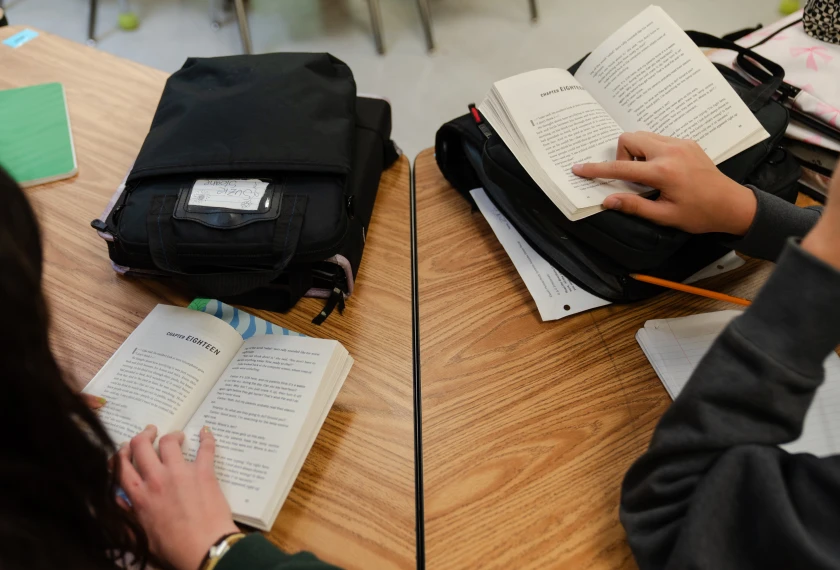
Students need explicit instruction in how to read words, build vocabulary and make meaning from increasingly complex text. They also need time to use those skills. A whole book asks students to follow ideas across chapters, revisit earlier interpretations and support their conclusions with evidence.
The article rightly emphasizes implementation. Implementation goes far beyond selecting a curriculum or training one teacher at a time. School leaders, teachers and paraprofessionals all need opportunities to understand and support the school’s literacy goals. When that work is shared, reading, writing and discussion become part of how students learn throughout the school day, including in subjects beyond English class.
Schools should train the people who lead and deliver instruction around a shared literacy plan, then give students the time and support to read whole books embedded in their curriculum.